Youth sports can be one of the most rewarding parts of growing up. Practices create friendships, competition builds confidence, and regular movement supports physical and emotional development. Yet children are not simply smaller adults. Their bones, muscles, coordination, and judgment are still developing, so training demands must match their age and stage of growth.
Good youth sports injury prevention is not about removing every possible risk from play. That would be unrealistic, and it could drain the joy from sport. The aim is to create an environment where young athletes can learn, compete, and improve without being pushed through warning signs that deserve attention.
Begin With an Honest Readiness Check
Before a season begins, parents and coaches should consider whether a child is physically and emotionally prepared for the activity. A routine health check can identify concerns such as breathing difficulties, previous injuries, recurring pain, or medical conditions that may affect participation.
Readiness also includes experience and skill level. A beginner placed in an advanced group may struggle to control movement or follow instructions delivered at speed. Matching children with suitable coaching and competition gives them time to build confidence and technique gradually.
This kind of preparation is not meant to find reasons to keep a child on the sidelines. It is about understanding what support may help that child participate more safely.
Build Fitness Before Increasing Intensity
Many injuries occur when the body is asked to do too much, too soon. A young athlete returning after an illness, school break, or quiet off-season should not immediately train at maximum intensity.
Training should become more demanding in stages. Strength, balance, coordination, flexibility, and endurance create a foundation for sport-specific movements. The American Academy of Pediatrics recommends conditioning the muscles used during play, reinforcing proper technique, and including flexibility work in a young athlete’s routine.
Warm-ups should prepare the body for the movements ahead. Light jogging, controlled changes of direction, arm movements, and dynamic mobility exercises are generally more useful before practice than suddenly launching into sprints or powerful throws.
The warm-up does not need to be complicated. It needs to be consistent, purposeful, and appropriate for the activity.
Protect Growing Bodies From Overuse
Not every sports injury happens during a dramatic collision. Overuse injuries develop gradually when repeated movement places more stress on bones, muscles, tendons, or joints than they can recover from between sessions.
A young athlete may notice tenderness, stiffness, swelling, reduced performance, or pain that returns whenever training begins. These symptoms should not be dismissed simply because there was no obvious accident.
Playing the same sport throughout the year can increase repetitive strain, especially when children compete for school, club, and private teams at the same time. Pediatric and orthopedic guidance encourages variety, adequate recovery, and regular breaks rather than continuous participation in one sport without a meaningful off-season.
Trying different sports can also develop a wider range of movement skills. Rest, meanwhile, should not be treated as lost training. For a growing athlete, recovery is part of the training process.
Teach Technique Before Chasing Performance
Proper technique helps young athletes move efficiently and avoid positions that place unnecessary strain on the body. This matters whether a child is learning to land after a basketball jump, swing a racket, tackle safely, lift a weight, or throw a baseball.
Coaches should correct risky movement patterns early, before they become habits. Instructions need to be clear, age-appropriate, and repeated patiently. A child who feels confused or afraid of disappointing adults may continue performing a movement incorrectly rather than asking for help.
Safety rules matter just as much as technical instruction. Rules against reckless contact, dangerous tackles, headfirst collisions, and inappropriate equipment use should be enforced consistently, including during important games.
Winning should never become a reason to ignore preventable risks.
Use Equipment That Fits Properly
Protective equipment can reduce the severity of certain injuries, but only when it is appropriate for the sport, in good condition, and fitted correctly.
Helmets, mouthguards, shin guards, pads, protective eyewear, footwear, and other items should match the athlete’s current size. Children grow quickly, so equipment that fitted well at the beginning of a season may become uncomfortable or ineffective later.
Worn shoes can affect grip and support. A loose helmet may shift during contact, while equipment that is too tight can restrict movement or cause discomfort. Parents and coaches should inspect protective gear regularly rather than assuming it will remain suitable for the entire year.
Equipment should never create a false sense of invincibility. A helmet can help protect against serious head injury, but it cannot make unsafe contact harmless.
Make Hydration and Heat Safety Routine
Children may not always recognize thirst or overheating early enough to protect themselves. Adults should therefore build water and cooling breaks into practices rather than waiting for athletes to request them.
Young players should have access to fluids before, during, and after activity. Practices may need to be shortened, slowed, moved to a cooler time, or stopped during extreme heat and humidity. Lightweight clothing, shaded rest areas, and gradual adjustment to hot conditions can also reduce risk.
Warning signs such as dizziness, unusual weakness, headache, nausea, confusion, or excessive fatigue should be taken seriously. Pediatric guidance recommends frequent rest, hydration, and reduced activity during high heat or humidity to help prevent dehydration and heat-related illness.
Telling children to “push through” heat symptoms can turn a manageable situation into a medical emergency.
Support Recovery With Food and Sleep
Training places demands on a child’s entire body, not only the muscles used during practice. Young athletes need enough food, fluids, and sleep to support activity as well as normal growth.
Meals should provide a balanced mix of carbohydrates, protein, fats, vitamins, and minerals. Constant dieting, skipped meals, or pressure to maintain a certain body shape can interfere with recovery and increase injury risk.
Sleep is equally important. A tired athlete may react more slowly, lose concentration, or use poor technique. Late-night travel, early practices, schoolwork, and weekend tournaments can quietly reduce recovery even when the training plan looks reasonable on paper.
A healthy sports schedule should leave room for school, family life, relaxation, and proper rest.
Create a Culture Where Pain Is Reported
Children often hide injuries because they fear losing their position, disappointing a coach, or appearing weak in front of teammates. Adults can change that culture by treating honest reporting as responsible behavior.
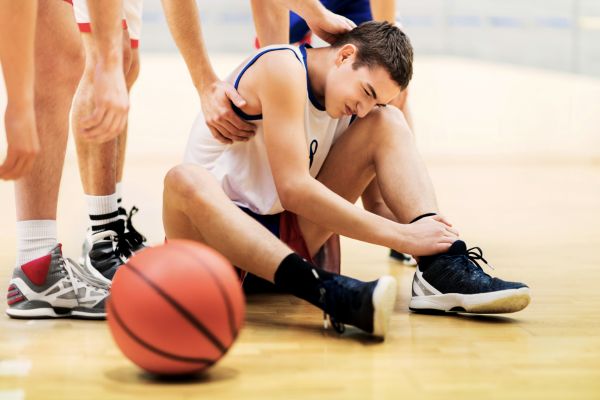
Pain that changes movement, continues after activity, grows worse, or repeatedly returns should be evaluated. A child who begins limping, protecting one arm, or avoiding a familiar movement may be injured even if they insist everything is fine.
Coaches should check in with athletes and pay attention to changes in mood or performance. Parents should listen without immediately accusing a child of exaggerating or trying to avoid practice.
The message needs to be simple: playing through significant pain is not proof of commitment.
Take Possible Concussions Seriously
A concussion may follow a blow to the head or a forceful impact to the body. Symptoms can include headache, dizziness, confusion, balance problems, nausea, unusual behavior, memory difficulty, or sensitivity to light and noise.
An athlete with a suspected concussion should be removed from play and assessed by a qualified healthcare professional. Returning to the same game because symptoms seem mild is not a safe test.
The CDC states that return to sport should happen only with healthcare-provider approval and through a gradual progression. Each stage generally takes at least 24 hours, and the athlete should stop and contact the medical provider if symptoms return.
Recovery also involves school. Most children can begin returning to school relatively soon with adjustments based on their symptoms, while full sports participation follows a separate, carefully supervised process.
Keep the Emotional Environment Healthy
Physical protection is only one part of youth sports injury prevention. Excessive pressure, fear of mistakes, and nonstop competition can contribute to exhaustion, burnout, and unhealthy training choices.
Children should be allowed to enjoy the game, explore different positions, and improve at their own pace. Praise should recognize effort, learning, teamwork, and good decision-making rather than focusing only on scores or selection.
Adults also need to model calm behavior. Shouting at officials, criticizing every mistake, or treating a youth match like a professional final creates unnecessary tension.
A young athlete who feels safe speaking honestly is more likely to report pain, fatigue, fear, or confusion before those concerns become larger problems.
Safer Sport Begins With Attentive Adults
Youth sports will always involve movement, competition, and a certain amount of risk. That is part of their appeal. The answer is not to make children afraid of activity, but to surround them with adults who recognize when healthy challenge is turning into unnecessary strain.
Gradual conditioning, skilled coaching, suitable equipment, hydration, rest, varied activity, and honest communication can prevent many avoidable problems. Just as importantly, children need permission to stop when something feels wrong.
The most meaningful victory is not simply finishing a season with a winning record. It is helping young athletes leave the field healthy, confident, and still excited to return.