
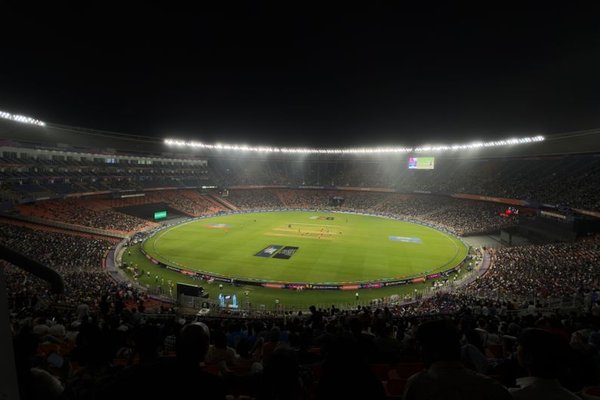
If you are asking what is the IPL, the simplest answer is this: the Indian Premier League is India’s elite professional Twenty20 cricket competition, built around city-based franchises, star players, huge broadcast audiences, and a short, high-intensity season. For a US sports fan, it helps to picture a major league with cricket squads assembled through auctions and a season compressed into roughly two months.
The IPL began in 2008 and quickly changed cricket’s economics and presentation. Privately owned franchises compete under the umbrella of the Board of Control for Cricket in India, creating a mix of sporting competition, entertainment, and global player marketplace.
How the Indian Premier League works
The Indian Premier League uses the T20 format, the shortest major form of professional cricket. Each team normally gets one innings of up to 20 overs. An over contains six legal deliveries, so a full innings is usually capped at 120 legal balls. That limit encourages aggressive batting, frequent tactical changes, and matches that fit into an evening rather than lasting for days.
The current IPL has 10 franchises: Chennai Super Kings, Delhi Capitals, Gujarat Titans, Kolkata Knight Riders, Lucknow Super Giants, Mumbai Indians, Punjab Kings, Rajasthan Royals, Royal Challengers Bengaluru, and Sunrisers Hyderabad. Their squads mix Indian and overseas stars.
If the sport itself is new to you, learning basic T20 cricket rules first makes the IPL much easier to follow. Once you understand overs, wickets, runs, and the basic shape of an innings, the league becomes surprisingly accessible.
The IPL season format explained
In the current 10-team setup, the regular season consists of 70 league-stage matches, with each franchise playing 14 games. The schedule is not a simple home-and-away round robin against every opponent, so some matchups occur more often than others. Teams earn points from results, and net run rate can be an important tiebreaker.
The top four teams reach the playoffs. Qualifier 1 is played between first and second, with the winner advancing directly to the final. Third and fourth meet in the Eliminator, where the loser is out. The loser of Qualifier 1 then faces the Eliminator winner in Qualifier 2 for the other place in the final.
That structure rewards finishing near the top. A first- or second-place team can lose Qualifier 1 and still reach the final, while teams finishing third or fourth effectively enter sudden-death cricket immediately.
Why the IPL feels different from traditional cricket
The IPL did not invent T20 cricket, but it turned the format into a franchise spectacle. Matches combine sport with packed stadiums, major sponsors, social media, fantasy gaming, celebrity involvement, and television production designed to keep the action moving. A single over can change a match, creating momentum swings that feel familiar to fans of basketball or football.
It also breaks a common assumption about cricket: players do not always compete along national lines. In the IPL, an Indian batter may face an Indian bowler while sharing a team with overseas players. For part of the year, global talent is reorganized around franchises rather than countries.
The business model behind the IPL
The league’s commercial scale is visible in its media rights. The BCCI announced that rights for the 2023-2027 cycle were sold for a cumulative ₹48,390.32 crore, roughly ₹484 billion. Broadcast and streaming income sits alongside sponsorship, ticketing, merchandising, and franchise-level commercial deals, helping explain why the IPL is treated as one of cricket’s most valuable properties.
Franchises are sports businesses whose value is tied to league popularity, local loyalty, star players, sponsorship, and brand growth. The central league creates a shared national product, while each franchise builds its own identity and fan base.
A useful US comparison is a closed major sports league with a highly visible player market. The comparison is not exact, but it helps explain the fascination with the auction. Teams retain selected players, work within roster and spending rules, and bid for available talent. An IPL auction explained guide is useful if you want to understand why roster-building becomes a major event before the season starts.
How the player auction shapes teams
Player recruitment is one of the league’s signature features. Franchises can retain certain players, release others, trade within league rules, and bid at auctions to fill squad places. Fans therefore get a second competitive storyline before the cricket begins: who found value, who paid heavily for a star, and which squad looks balanced?
For example, imagine a franchise already has two elite top-order batters but lacks a reliable death-overs bowler, the specialist trusted near the end of an innings when batters attack hardest. Its smartest auction move may be a less famous player who fills that role. That is a useful way to watch the IPL: judge how the pieces fit together, not just how many stars are on the roster.
Why international stars want to play
The IPL offers elite competition, huge visibility, strong salaries for leading players, and the chance to share teams with many of the world’s best cricketers. Indian venues also force players to adapt to different pitches, boundaries, heat, and tactics.
That concentration of talent is central to the appeal. A franchise can combine international batters, fast bowlers, specialist spinners, and emerging Indian players in the same XI, giving younger domestic players a chance to become national names quickly.
How to start watching the IPL as a new fan
Do not try to learn every rule or franchise history before your first match. Pick one team, learn four or five key players, and follow runs, wickets, and overs. Watch how the required scoring rate changes during a chase and which bowlers are saved for the final overs. A guide to how cricket scoring works can fill in the details.
Think of each innings as a resource-management problem. Batting teams have 120 legal balls and 10 wickets available; bowling teams have limited overs from each bowler. Once you see those constraints, much of the tactical drama becomes visible even before you know every piece of cricket terminology.
FAQ
What does IPL stand for?
IPL stands for Indian Premier League, India’s leading men’s franchise T20 cricket competition.
How many teams are in the IPL?
The current league has 10 franchises, with the top four advancing from the league stage to the playoffs.
How long is an IPL match?
An IPL match is a T20 game, so each side can bat for up to 20 overs. With the innings break and normal stoppages, it generally fits into a single evening rather than running across multiple days.
Is the IPL the same as international cricket?
No. International cricket is played by national teams. The IPL is a franchise competition in which Indian and overseas players join city- or region-based teams for the tournament.
Why the IPL matters
The IPL is more than a shorter version of cricket. It fused T20 rules, franchise ownership, global talent, auctions, broadcasting, and entertainment into one of the sport’s most influential products. For a new fan, the cricket is quick to learn, while the business and roster-building stories add another layer to the season.