Creatine has an unusually strong research record in sports nutrition, but the useful question is not whether it is popular. It is whether its effects match the demands of your sport. For a weightlifter trying to complete another hard repetition, the answer may be yes. For a marathon runner hoping for a faster steady pace, the evidence is less persuasive.
Understanding creatine for athletes means separating established benefits from marketing promises. The supplement can help muscles produce energy during repeated intense efforts, but it does not replace training, food, sleep or recovery.
Why Creatine Helps Some Performances More Than Others
Your body makes creatine naturally and obtains some from meat and fish. Most is stored in muscles, partly as phosphocreatine. During a short, demanding effort, phosphocreatine helps rapidly regenerate ATP, the molecule muscles use for energy. These stores are limited, which is why this system matters most when effort is explosive.
Supplementing with creatine monohydrate increases muscle creatine stores in many people. That can support repeated sprints, heavy sets and other brief, high-intensity work. It does not act like caffeine: you should not expect an immediate rush after taking a scoop.
What the Performance Research Actually Supports
Evidence is strongest for improvements in strength performance, muscular power and total work completed across repeated intense efforts, especially alongside resistance training. A 2025 systematic review and meta-analysis of 69 trials found modest average improvements in several strength and power measures, although not every test showed a benefit.
This distinction matters. A sprinter may value repeated acceleration quality during practice; a team-sport player may benefit from strength work in the gym. Neither should assume creatine automatically improves tactical skill or match results. Effects vary with training status, diet, exercise type and individual response.
For long, steady endurance events, gains are less consistent. Extra body mass may be unwelcome when athletes must carry their weight over distance or meet a competition weight limit. Judge creatine against your training sessions, not a general promise of better athletic performance.
What Taking Creatine Looks Like in Practice
The simplest approach for healthy adults is usually 3–5 grams of creatine monohydrate daily. Consistency matters more than taking it precisely before or after a workout. You can mix it with water or take it alongside a meal, including on rest days.
An optional loading protocol uses about 20 grams daily, divided into four 5-gram servings, for five to seven days, followed by 3–5 grams daily. Loading raises muscle stores faster, but it is not necessary. Taking 3–5 grams each day without loading generally reaches similar muscle saturation over roughly four weeks.
Consider a recreational rugby player beginning a six-week strength block. Rather than changing the workout and every supplement at once, the player could maintain planned training, take a consistent daily dose and track sprint sessions, gym performance and body weight. The aim is to notice useful trends over weeks, not credit every good session to creatine.
Should You Take It on Rest Days?
Yes, if you choose to supplement. Muscle creatine stores change over time; daily use maintains them more reliably than occasional doses before training. Missing one day is not a crisis, and doubling up afterward is unnecessary.
Creatine Monohydrate Versus Newer Forms
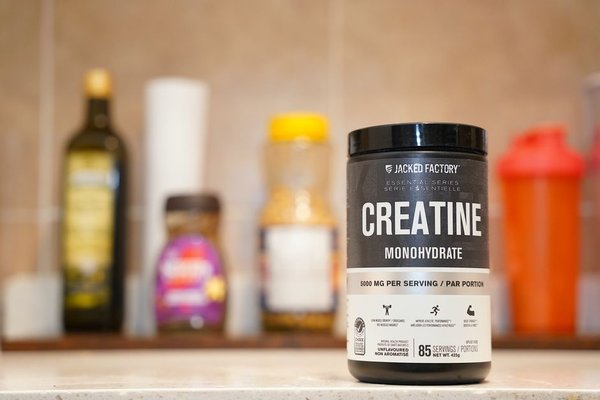
Creatine monohydrate remains the reference standard among sports supplements because it has the most extensive evidence for effectiveness and safety. Products marketed as buffered creatine, creatine hydrochloride or creatine ethyl ester may cost more, but convincing evidence that they outperform monohydrate is lacking.
Plain powder is a practical choice. Look for a clear ingredient label and a measured serving rather than a proprietary blend promising dramatic results. Competitive athletes should prioritize independent, batch-tested products to reduce the risk of contamination with prohibited substances. No certification can eliminate risk entirely.
Safety Basics: What Athletes Should Watch
Research generally supports creatine monohydrate as safe for healthy adults at studied doses, including longer-term use. However, safe for most healthy adults is not the same as appropriate for everybody. People with kidney disease, abnormal kidney tests, significant medical conditions or medications affecting kidney function should discuss supplementation with a qualified clinician first.
Creatine may raise blood creatinine on laboratory tests without necessarily indicating kidney damage. Tell your healthcare professional if you use it so results can be interpreted in context. Avoid self-diagnosing kidney function from a single number.
Water Weight and Stomach Discomfort
Some athletes gain approximately 1–2 kilograms during early supplementation, largely from increased water stored in muscle. That is not automatically new muscle tissue or fat. This change deserves attention in weight-class sports, jumping events or any setting where body mass influences performance.
Mild stomach upset can occur, especially with large single doses. Skipping the loading phase, taking a smaller daily amount and consuming it with food may improve comfort. Normal hydration remains important, but creatine does not require excessive water consumption.
Evidence does not consistently show that recommended creatine use causes dehydration, heat illness or muscle cramping. Athletes should still follow sport-specific hydration and heat-safety guidance rather than treating a supplement as protection from these problems.
How to Decide if Creatine Fits Your Training Plan
Start with the demands of your event. If training revolves around explosive actions or progressive resistance work, creatine has a plausible role. If your main goal is long-distance endurance, the case is weaker and added weight may affect your decision.
Next, check the basics: sufficient energy intake, appropriate protein, regular training and adequate sleep. For more context, explore protein needs for athletes, recovery nutrition after training and how to evaluate supplement labels before adding another product.
Finally, assess the trade-offs. An athlete close to a weigh-in or major competition should avoid trialing a new supplement at the last minute. A sports dietitian can help decide whether likely benefits justify the cost and monitoring.
Frequently Asked Questions
How long does creatine take to work?
A loading phase can raise muscle stores within about a week. Without loading, daily use commonly takes around four weeks to reach similar saturation. Visible training gains depend on what you do during that period.
Does creatine build muscle without exercise?
It is not a substitute for resistance training. Some early weight gain comes from water within muscle, while meaningful increases in muscle size are more likely when supplementation accompanies a suitable training programme.
Can women athletes use creatine?
Healthy adult women can consider creatine monohydrate, although the size of performance benefits varies and some research groups remain underrepresented. Dosing is generally similar to that used by men, with individual needs considered.
Is creatine banned in sport?
Creatine itself is not prohibited by the World Anti-Doping Agency. Supplement products can still be contaminated with banned substances, so athletes subject to testing should use batch-tested products and seek professional guidance.
Conclusion
The most useful creatine basics are straightforward: choose well-studied creatine monohydrate, use a consistent dose, allow time for muscle stores to build and judge results against the work your sport demands. For many athletes focused on strength and repeated high-intensity efforts, evidence supports a modest but meaningful advantage. For others, especially endurance or weight-class competitors, the decision deserves a closer look at the trade-offs.