
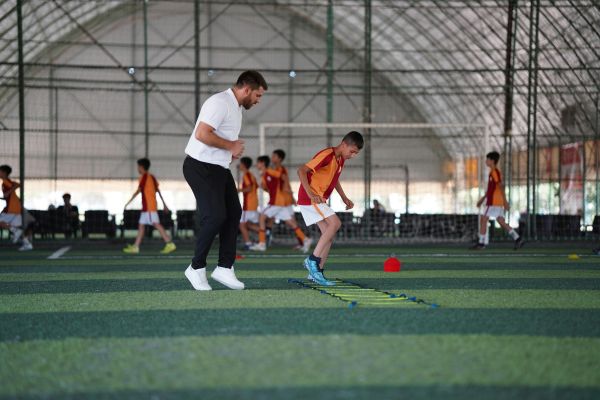
The New Voice of Youth Sports
Youth sports star interviews have a way of revealing something that scoreboards never can. They show the person behind the performance, the young athlete behind the medals, trophies, highlight clips, and weekend tournament results. In a time when youth sports can feel faster, louder, and more competitive than ever, listening to young athletes speak in their own words feels surprisingly refreshing.
These interviews are not just about who scored the winning goal or broke a school record. They are about pressure, discipline, family support, early mornings, missed hangouts, small disappointments, and the quiet belief that keeps a young player going. Tomorrow’s champions often sound less polished than professional athletes, and that is exactly what makes their stories worth hearing. Their honesty still has edges. Their dreams are still forming.
More Than Talent on Display
It is easy to look at a gifted young athlete and focus only on talent. A teenager who runs faster than everyone else, a gymnast with rare control, a young cricketer with sharp timing, or a basketball player already being watched by scouts can seem almost naturally destined for success. But youth sports star interviews often tell a different story.
Many young athletes talk about repetition more than talent. They mention training when they are tired, listening to coaches even when feedback feels uncomfortable, and learning how to lose without falling apart. Talent may open the door, but discipline keeps them in the room.
What stands out most is how early many athletes understand sacrifice. They know that improvement asks for time. They may miss birthday parties, sleepovers, and casual weekends because practice, travel, or recovery comes first. Some accept this easily. Others admit it is difficult. That honesty matters because it shows that young sports success is not as effortless as it sometimes appears from the outside.
The Role of Family Behind the Scenes
Behind almost every rising youth sports star is a support system working quietly in the background. Parents, siblings, grandparents, and guardians often become drivers, schedule managers, emotional anchors, meal planners, and patient listeners. In interviews, young athletes frequently mention family before they mention trophies.
A young swimmer may talk about a parent waking up before sunrise to drive them to the pool. A football player may remember a sibling helping them practice in the backyard. A tennis player may say their family keeps them calm after a tough loss. These details can sound small, but they explain a lot.
Family support does not mean pressure has to be heavy. In fact, many young athletes seem to thrive when home remains a safe place rather than another arena of judgment. The best support often comes in simple forms: encouragement after mistakes, perspective after defeat, and reminders that identity is bigger than sport.
Learning to Handle Pressure Early
One of the most revealing parts of youth sports star interviews is how young athletes describe pressure. Some feel it before big games. Some feel it from rankings, selection trials, social media clips, or expectations from coaches and peers. Even when athletes are still children or teenagers, the emotional weight can be real.
The strongest young athletes are not the ones who never feel nervous. They are often the ones who have learned how to keep playing while nervous. They breathe, reset, follow routines, and focus on the next action rather than the whole result. That kind of mental maturity usually develops through experience, not speeches.
There is also a softer truth here. Young athletes need room to admit fear, frustration, and doubt. Interviews that allow them to speak openly can help normalize those feelings. They remind other young players that confidence is not a permanent mood. Sometimes confidence is simply showing up again after a bad performance.
What Young Athletes Say About Coaches
Coaches appear often in these conversations, sometimes as technical guides and sometimes as life-shaping figures. Young athletes tend to remember coaches who believed in them before everyone else did. They remember the ones who corrected them firmly but fairly. They remember being taught not only how to compete, but how to behave.
A good coach can help a young player understand effort, accountability, patience, and respect. A poor coaching experience, on the other hand, can make even a talented child question whether they still love the game. That is why the coach-athlete relationship is such a central theme in youth sports.
In many interviews, young athletes speak warmly about coaches who treat them as people, not just performers. They appreciate being challenged, but they also notice when someone cares about their well-being. That balance can shape whether a young athlete grows with the sport or burns out too soon.
School, Sport, and the Search for Balance
For rising youth athletes, school does not pause just because training gets serious. Homework still exists. Exams still arrive. Friendships still need time. Many young sports stars are learning how to manage responsibilities that would challenge adults.
Youth sports star interviews often reveal the practical side of this balancing act. Athletes talk about doing homework in cars, studying after practice, packing meals, and planning rest around competitions. It is not glamorous, but it is real.
This balance also teaches independence. Young athletes who manage both sport and school often become skilled at time management earlier than their peers. Still, the load can become too much if adults forget that young athletes are still growing. Success should not require exhaustion as proof of commitment.
The Dream of Going Further
Most young athletes dream beyond their current level. Some want scholarships. Some want national selection. Some imagine professional careers. Others simply want to improve enough to make the next team or beat their personal best.
What makes these dreams powerful is their mix of confidence and uncertainty. A young athlete may speak boldly about wanting to become a champion, then quietly admit they still have a long way to go. That combination feels human. It is ambition without the full armor of adulthood.
These dreams also shift over time. A child who once played only for fun may begin to take the sport seriously. Another who once chased elite competition may later decide they love the game more when the pressure is lighter. Interviews capture these moments in motion, before the story has become fixed.
Why These Interviews Matter
Youth sports star interviews matter because they give young athletes a voice in a world where adults often speak for them. Coaches analyze them. Parents support them. Scouts evaluate them. Fans praise or criticize them. But interviews allow young athletes to explain themselves.
They can talk about what motivates them, what hurts, what helps, and what they wish people understood. They can inspire other young players, not by pretending everything is easy, but by showing that progress is messy and personal.
These stories also help adults listen better. When young athletes describe pressure, burnout, joy, or fear, they offer insight into the emotional world of youth sports. That insight can lead to healthier conversations around competition, expectations, and development.
The Human Side of Tomorrow’s Champions
Not every youth sports star will become a professional athlete, and that is not a failure. Some will become college players. Some will coach one day. Some will carry the lessons of sport into completely different careers. The value of their journey is not limited to how famous they become.
What youth sports gives them, at its best, is a deeper understanding of effort, teamwork, resilience, and self-belief. Interviews help preserve those lessons while they are still fresh. They capture young athletes before life smooths out their language and turns their memories into polished stories.
A Reflective Look Ahead
Youth sports star interviews remind us that tomorrow’s champions are still young people trying to understand themselves. They are learning how to win, how to lose, how to listen, how to lead, and how to keep loving a sport that asks a lot from them.
Their stories are not only about future medals or professional dreams. They are about growth happening in real time. When we listen closely, we hear more than ambition. We hear courage, uncertainty, joy, and the steady heartbeat of young athletes discovering who they might become.
That is what makes these interviews so meaningful. They do not just introduce us to rising stars. They invite us to see the human journey behind every promising performance.