
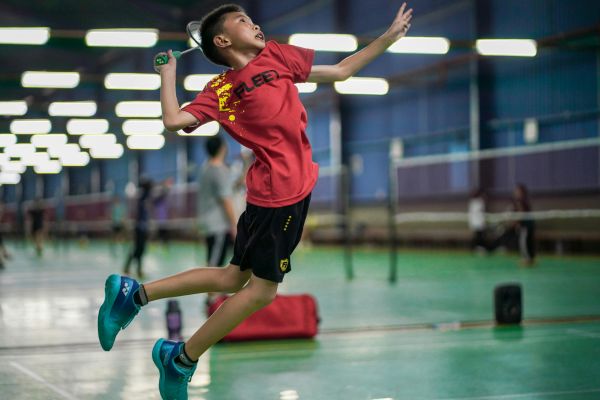
Sports can bring out something wonderful in children. A shy child may find confidence on the court. An energetic child may discover focus on the field. A child who struggles with teamwork may slowly learn how to trust others, pass the ball, and celebrate someone else’s win. But motivation in kids’ sports is not always simple. Some children run toward practice with excitement, while others drag their feet, complain, or suddenly lose interest after a few weeks.
Learning how to motivate kids in sports is less about pushing them harder and more about understanding what makes them feel safe, capable, and excited to keep going. Children are not small adults. They do not always respond well to pressure, long lectures, or big expectations. Most of the time, they need encouragement that feels steady, honest, and connected to who they are.
Start With Enjoyment Before Performance
The first reason children should play sports is simple: it should be enjoyable. That does not mean every practice will be easy or every game will be fun from start to finish. Sports naturally include hard moments, mistakes, losses, and tired legs. Still, the overall experience should give a child something positive to return to.
When parents focus too early on winning, rankings, trophies, or scholarships, sports can begin to feel like work. A child may start measuring their worth by how many goals they score or how often they are praised. That kind of pressure can drain the fun quickly.
Enjoyment creates the foundation for long-term motivation. A child who laughs during practice, enjoys being with teammates, and feels proud of small improvements is more likely to keep showing up. Before asking whether your child is becoming the best player, it helps to ask whether they still smile when they play.
Let Kids Feel Some Ownership
Children are more motivated when they feel sports are something they get to do, not something they are forced to do. This sense of ownership can begin with small choices. They might choose which sport to try, what position they enjoy, or whether they want to practice in the backyard after dinner.
Of course, parents still provide structure. Kids need help staying committed, especially when they are tired or nervous. But there is a difference between guiding and controlling. If every decision comes from the parent, the child may slowly disconnect from the sport.
Ask open, relaxed questions after practice. What was the best part today? Was anything frustrating? Is there something you want to get better at? These conversations show children that their thoughts matter. They also help parents understand whether a child needs encouragement, rest, a new challenge, or maybe a different sport altogether.
Praise Effort in a Way That Feels Real
Praise is powerful, but only when it feels believable. Children can usually tell when adults are saying “great job” without really paying attention. They also notice when praise only comes after a win or a big performance.
A more helpful approach is to praise effort, courage, focus, and improvement. Instead of only saying, “You were amazing,” try noticing something specific. Maybe your child kept running even after missing a shot. Maybe they listened carefully to the coach. Maybe they passed to a teammate instead of trying to do everything alone.
This kind of praise teaches children that progress matters. It also helps them handle mistakes better. When kids understand that effort is valued, they become less afraid of failing. They learn that sports are not about being perfect, but about growing through practice.
Keep Pressure From Taking Over
Many parents mean well when they talk about performance. They want their child to improve. They want them to be confident. They may even see real talent and feel excited about the future. But too much pressure can make a child feel watched instead of supported.
Pressure can show up in small ways. A parent may replay every mistake in the car ride home. They may compare their child to another player. They may turn every casual practice into a lesson. Over time, the child may begin to feel that sports are less about playing and more about being judged.
One of the best things parents can do is create a calm space after games. Not every match needs a review. Sometimes a child just needs a snack, a quiet ride home, or a simple “I loved watching you play.” That sentence can mean more than a detailed analysis.
Help Them Handle Losing Without Shame
Losing is part of sports, and it can be one of the most valuable parts. But for kids, losing can feel personal. They may feel embarrassed, angry, or disappointed. Some children cry. Some blame others. Some pretend they do not care at all.
Parents and coaches can help by treating losses as normal, not dramatic. A loss does not mean the child failed. It means there is something to learn, something to practice, or sometimes simply that the other team played better that day.
The goal is not to remove disappointment. Children should be allowed to feel it. The goal is to help them move through it without shame. When adults stay calm, kids learn that losing is not the end of the world. They begin to understand resilience in a real way, not just as a word adults like to use.
Make Practice Feel Purposeful
Practice can become boring when children do not understand why they are doing it. Running drills, repeating movements, and learning techniques may feel pointless if the child cannot connect practice to progress.
A helpful way to motivate kids is to show them small signs of improvement. Maybe they can run a little longer than last month. Maybe their balance is better. Maybe their passes are more accurate. These little wins matter because they make effort visible.
At home, practice should not always feel like extra homework. A few playful minutes can be more useful than a forced hour. Shooting baskets in the driveway, kicking a ball in the park, racing to a tree, or practicing a tennis swing casually can keep the connection light and natural.
Respect Their Personality
Not every child is motivated in the same way. Some love competition and want to win badly. Others enjoy movement, friendship, or personal progress more than trophies. Some children respond to loud encouragement, while others feel embarrassed by it. Some need a challenge. Some need reassurance.
Understanding your child’s personality can prevent a lot of frustration. A quiet child may still love sports even if they are not shouting with excitement. A sensitive child may need extra support after mistakes. A highly competitive child may need help learning balance and sportsmanship.
Motivation works best when it matches the child, not the parent’s idea of what an athlete should look like. Children feel more confident when they are allowed to grow in their own style.
Build a Healthy Relationship With Coaches
Coaches play a major role in a child’s sports experience. A good coach can inspire confidence, teach discipline, and make practice feel meaningful. But even good coaches cannot do everything alone. Parents and coaches need to work as a team, with the child’s well-being at the center.
It helps when parents respect the coach’s role during practice and games. Constant sideline instructions can confuse children, especially when they are already trying to listen. If there is a concern, it is better handled calmly and privately, not in the heat of a match.
At the same time, parents should pay attention to how their child feels around the coach. A child should feel challenged, but not humiliated. They should be corrected, but not constantly discouraged. Motivation grows in an environment where kids feel respected, even when they are learning.
Avoid Comparing Kids to Others
Comparison is one of the fastest ways to damage motivation. Children develop at different speeds. One child may be naturally coordinated at age seven, while another may blossom at twelve. Some kids are physically strong early. Others gain confidence later.
When parents compare their child to teammates, siblings, or opponents, the child may start feeling as if they are always behind. Even positive comparison can create pressure. Saying “You’re better than everyone else” can make a child afraid to make mistakes and lose that status.
A healthier comparison is with the child’s own past effort. Are they improving? Are they learning? Are they showing better focus than before? This keeps motivation personal and realistic.
Know When They Need Rest
Sometimes a lack of motivation is not laziness. It may be tiredness. Kids today often carry busy schedules filled with school, homework, activities, screens, and social pressure. Add regular sports training, weekend games, and travel, and even a child who loves their sport can feel worn out.
Rest is not the enemy of progress. It is part of progress. Children need unstructured time, sleep, and space to simply be kids. If a child who once loved sports suddenly becomes irritable or uninterested, it may be worth looking at their overall routine.
A short break does not always mean quitting. Sometimes rest helps a child return with more energy and a better attitude. Long-term motivation needs breathing room.
Keep the Bigger Picture in Mind
Sports can teach children discipline, patience, teamwork, confidence, and emotional strength. But these lessons happen best when the environment feels healthy. A child does not need to become a professional athlete for sports to matter. They can benefit from learning how to practice, how to lose, how to support teammates, and how to try again after a hard day.
Parents often worry that easing pressure means lowering standards. It does not. Children can be encouraged to work hard while still feeling loved beyond their performance. They can be taught commitment without being made to feel trapped. They can chase goals without carrying adult expectations on their shoulders.
Conclusion
Understanding how to motivate kids in sports begins with seeing the child before the athlete. Motivation grows when children feel supported, heard, challenged, and allowed to enjoy the game. It comes from small moments: a parent cheering without criticizing, a coach noticing improvement, a child realizing they can do something today that felt impossible last month.
Sports should help children build confidence, not fear. They should create memories, friendships, and lessons that last beyond the scoreboard. When adults keep the experience balanced and human, kids are more likely to stay motivated not because they are being pushed, but because they truly want to keep playing.