
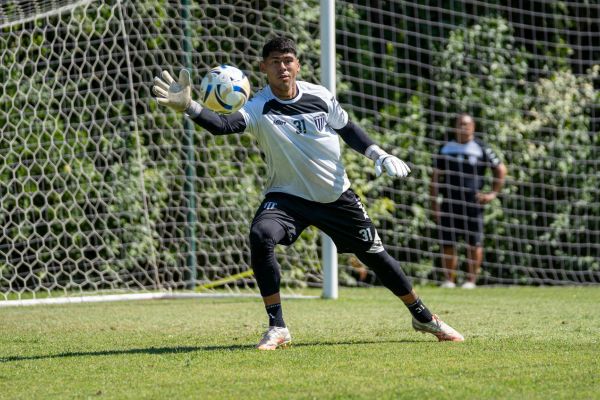
There was a time when sports training relied almost entirely on instinct, repetition, and the trained eye of a coach. Progress was measured in sweat, not data. But that picture has changed dramatically. Today, AI in sports training is quietly reshaping how athletes prepare, perform, and recover—sometimes in ways that even seasoned professionals are still trying to fully grasp.
It’s not just about faster runners or stronger players. It’s about smarter training. And that shift is happening everywhere, from elite Olympic facilities to local gyms.
The Rise of Data-Driven Performance
At the heart of AI in sports training is data—lots of it. Every movement an athlete makes can now be captured, measured, and analyzed. Wearable devices track heart rate, acceleration, sleep patterns, and even subtle changes in muscle activity. What once required guesswork is now backed by real-time insights.
But data alone isn’t enough. That’s where AI steps in.
Artificial intelligence can process vast amounts of information far quicker than any human could. It identifies patterns that might go unnoticed, like a slight drop in performance that signals fatigue or an inefficient movement that increases injury risk. Coaches no longer have to rely solely on observation; they can make decisions based on evidence.
It’s a bit like having an extra set of eyes—ones that never miss anything.
Personalized Training Like Never Before
No two athletes are exactly alike. Even in the same sport, players have different strengths, weaknesses, and physical responses. Traditional training programs often applied a one-size-fits-all approach, adjusting only when something clearly wasn’t working.
AI changes that dynamic.
With AI in sports training, programs can be tailored to the individual in real time. If an athlete shows signs of overtraining, the system can recommend adjustments immediately. If progress is slower than expected, it can tweak intensity or technique suggestions.
This level of personalization feels almost intuitive, yet it’s built on complex algorithms analyzing everything from biomechanics to recovery rates. The result is a training experience that evolves alongside the athlete, rather than forcing them into a rigid structure.
Enhancing Technique Through Motion Analysis
Technique has always been central to athletic success. A slight adjustment in posture, timing, or angle can make the difference between winning and losing. Traditionally, refining technique required hours of practice and feedback from coaches.
Now, AI-powered motion analysis is taking that process further.
Advanced systems can break down movements frame by frame, comparing them to optimal models. Whether it’s a sprinter’s stride, a swimmer’s stroke, or a cricketer’s bowling action, AI can highlight inefficiencies with remarkable precision.
What’s interesting is how immediate the feedback has become. Athletes can review their performance almost instantly, seeing exactly where they went wrong and how to improve. It shortens the learning curve in a way that feels almost unfair compared to older methods.
Injury Prevention and Recovery Insights
Injuries are an unavoidable part of sports, but their impact can be minimized. This is one of the areas where AI in sports training is making a significant difference.
By analyzing patterns in movement and workload, AI can identify early warning signs of potential injuries. For example, a slight imbalance in muscle use or a gradual increase in strain can trigger alerts before the problem becomes serious.
Recovery, too, has become more precise. AI systems can recommend rest periods, recovery exercises, and even nutritional adjustments based on how an athlete’s body is responding. It’s no longer just about taking a day off—it’s about recovering in the most effective way possible.
There’s something reassuring about that level of insight. It reduces uncertainty, which has always been a challenge in training.
Smarter Coaching Decisions
Coaches are still central to sports training, but their role is evolving. Instead of relying solely on experience and intuition, they now have access to detailed analytics that support their decisions.
AI doesn’t replace the coach—it enhances them.
For instance, during training sessions, AI can provide real-time feedback on performance metrics. Coaches can adjust drills on the spot, focusing on areas that need immediate attention. Over time, this leads to more efficient sessions and better outcomes.
There’s also a strategic element. By analyzing past performances, AI can help identify what works best for a particular athlete or team. It’s like having a constantly updated playbook that adapts to new information.
The Psychological Edge
Physical performance is only part of the equation. Mental readiness plays a huge role in sports, and AI is beginning to explore this area as well.
Some systems analyze behavioral patterns, stress levels, and even decision-making under pressure. By understanding how an athlete responds in different situations, training can include mental conditioning tailored to their needs.
It’s a subtle shift, but an important one. Athletes aren’t just being trained to perform—they’re being prepared to handle the psychological demands of competition.
Accessibility Beyond Elite Sports
One of the more interesting developments is how AI in sports training is becoming accessible beyond professional athletes. While elite teams were the early adopters, technology is gradually reaching amateur and recreational levels.
Fitness apps now use AI to guide workouts, track progress, and suggest improvements. Even casual runners or gym-goers can benefit from insights that were once reserved for top-tier athletes.
This democratization of technology is changing how people approach fitness. Training is no longer just about effort—it’s about understanding how to use that effort effectively.
Challenges and Limitations
Despite its advantages, AI in sports training isn’t without challenges. Data accuracy is crucial; if the input is flawed, the recommendations may be off. There’s also the question of over-reliance. Athletes and coaches still need to trust their instincts and experience.
Another concern is the human element. Training is not purely mechanical—it involves emotion, motivation, and connection. AI can support these aspects, but it can’t replace them.
There’s a balance to be found, and it’s still evolving.
The Future of AI in Sports Training
Looking ahead, the role of AI in sports training is likely to expand even further. We can expect more integration between different systems, creating a seamless flow of information from training to competition.
Virtual reality and AI may combine to simulate game scenarios, allowing athletes to practice decision-making in controlled environments. Advances in biomechanics could lead to even more precise movement analysis. And as data collection becomes more sophisticated, the insights will only deepen.
It’s an exciting trajectory, though not without its complexities.
A New Era of Training
The transformation brought by AI in sports training is not about replacing traditional methods—it’s about enhancing them. Athletes still need discipline, dedication, and resilience. Coaches still need insight and leadership.
What AI offers is clarity.
It removes some of the guesswork, providing a clearer picture of what’s happening beneath the surface. It allows training to be more responsive, more personalized, and ultimately more effective.
And yet, there’s something interesting about how it all comes together. Despite the advanced technology, the core of sports remains unchanged. It’s still about pushing limits, learning from mistakes, and striving for improvement.
Conclusion
AI in sports training is reshaping the landscape in subtle but powerful ways. From personalized programs to injury prevention and enhanced technique analysis, it’s creating opportunities that were once unimaginable.
But perhaps its greatest impact lies in how it supports the human side of sports. By providing deeper insights and more precise guidance, it allows athletes and coaches to focus on what truly matters—performance, growth, and the pursuit of excellence.
As technology continues to evolve, so too will the way we train. And while the tools may change, the essence of sport remains the same: a continuous journey of becoming better than you were yesterday.