
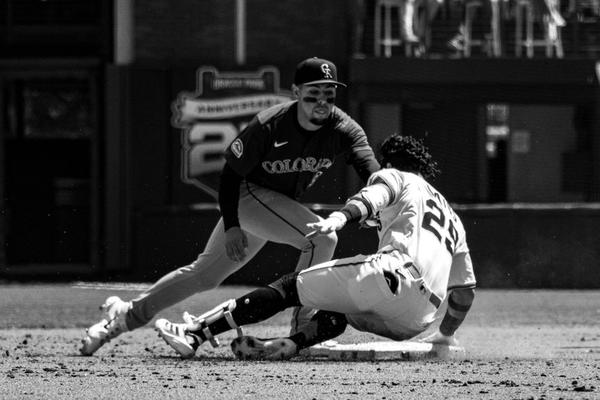
Spring training is baseball’s annual reset button. Before Opening Day, Major League clubs move to warmer weather, expand their camps and play exhibition games while established players build fitness, prospects get a closer look and roster hopefuls compete for jobs. The atmosphere is relaxed, but the work inside camp can shape the season.
For anyone looking for MLB spring training explained, the most useful starting point is that there are two location-based circuits: the Grapefruit League in Florida and the Cactus League in Arizona. They are not separate competitive leagues in the regular-season sense. They are regional groupings that make preseason travel and scheduling practical.
How MLB spring training works
Spring training usually begins with players reporting in stages. Pitchers and catchers generally arrive first because pitchers need time to build arm strength and catchers must learn a staff’s plans, deliveries and pitch preferences. Position players report later, followed by full-squad workouts and exhibition games.
Exact report dates vary by club, and the first workout is not the same as the first game. Fans planning a trip should check the individual team calendar rather than relying only on the overall spring training schedule.
Major League camp includes players on the club’s 40-man roster plus selected non-roster invitees. A non-roster invitee is not on the 40-man roster but is invited to train with the Major League group. That category can include top prospects, veteran free agents on Minor League contracts and organisational depth players.
Grapefruit League versus Cactus League
The Grapefruit League in Florida
The Grapefruit League consists of the MLB clubs that train in Florida. Its parks are spread across several parts of the state, including areas on the Gulf Coast and Atlantic side. Two teams may both train in Florida but still be separated by a substantial drive.
Florida rewards careful planning. Choose a base near the teams you most want to see, then build the trip around realistic travel times.
The Cactus League in Arizona
The Cactus League is based around the Phoenix metropolitan area and includes 15 of MLB’s 30 teams. Its compact layout is one of its biggest advantages. The clubs play within a tight area around the Valley of the Sun, making it easier to see multiple teams during one visit.
For maximum baseball with minimum driving, Arizona is often simpler. Several clubs share facilities, and many parks are close enough for flexible planning.
Do the two leagues play for a championship?
No meaningful MLB title is awarded for winning the Grapefruit League or Cactus League standings. Results are recorded, but spring records do not carry into the regular season and are poor predictors of what will happen after Opening Day. Teams have different priorities and frequently remove starters after only a few innings.
What actually matters during spring games
The final score matters less than the information teams collect. A starting pitcher may be pleased after allowing runs if he located a new pitch well and reached his planned workload. A hitter may go hitless while showing improved swing decisions. Coaches also evaluate defence, baserunning, communication and how players respond to specific situations.
Established stars are primarily preparing for the season and staying healthy. Players competing for the final bench, rotation or bullpen places face more immediate pressure. Prospects may be there for development and experience even when they have little chance of making the Opening Day roster.
Consider a veteran reliever invited on a Minor League deal. His spring earned-run average may attract attention, but the club will also examine velocity, command, pitch shape, recovery between outings and whether he can retire both right- and left-handed hitters. One poor inning may not end his chances, just as several scoreless innings do not guarantee a job.
How to read a spring training box score
Spring box scores can look unusual because clubs use far more players than they would in a regular-season game. A starting position player might receive only two plate appearances before a prospect replaces him. Pitchers often work to predetermined limits rather than staying in according to the score.
Pay attention to role and context. Early in camp, a regular leaving after three innings is normal. Later, likely starters often play deeper into games. A prospect facing mostly Minor League replacements in the final innings is experiencing a different test from someone batting against a front-line starter.
The 2026 spring training schedule
MLB’s 2026 exhibition schedule officially began on Friday, February 20, in Arizona and Florida, followed by a full slate involving all 30 clubs on Saturday, February 21. The calendar also included exhibition games between MLB clubs and World Baseball Classic national teams on March 3 and 4.
Spring Breakout, MLB’s prospect event, was scheduled for March 19 through March 22. These games showcase leading young players from each organisation and are separate from determining the Major League Opening Day roster.
Dates and special events change each year, so travellers should confirm game times, venue details and split-squad listings before buying transport. A split-squad day means one club fields teams in two different games, often at separate parks.
What fans should expect at the ballpark
Spring venues are generally smaller and more intimate than regular-season stadiums. Fans may get closer views of warm-ups, prospects and coaching work, although access policies vary. Day games are common, and sun exposure can be significant in both Florida and Arizona.
Arrive early, bring sun protection and check venue rules. If seeing a particular star is the main goal, remember that line-ups can change and regulars may not travel to every away game. Home games later in camp may offer a better chance, but nothing is guaranteed.
Useful related topics include how MLB rosters work, how the 162-game regular season is structured and what Spring Breakout means for top prospects.
Frequently asked questions
Why are there two spring training leagues?
The Grapefruit and Cactus Leagues group teams by training location. Florida clubs play in the Grapefruit League, while Arizona clubs play in the Cactus League. The arrangement reduces travel and creates workable regional schedules.
Do spring training games count in the MLB standings?
No. They are exhibition games, so wins and losses do not count toward the regular season. The games are used for preparation, evaluation and roster decisions.
Can a non-roster invitee make the Opening Day team?
Yes. A non-roster invitee can earn a place, but the club must create room on its 40-man roster before adding that player to the active Major League roster.
Is the Cactus League easier for a multi-team trip?
Often, yes. Arizona’s training sites are concentrated around greater Phoenix, while Florida’s parks are spread over a wider area. The best choice still depends on which teams you want to see and the rest of your travel plans.
What spring training tells us
Spring training offers clues rather than firm answers. It shows which players are healthy, which prospects are close, how position battles are developing and what experiments teams are trying. The Grapefruit League and Cactus League provide different travel experiences, but their baseball purpose is the same: preparing 30 clubs for Opening Day. Follow workloads and roles more closely than scores, and the games become far more informative.