
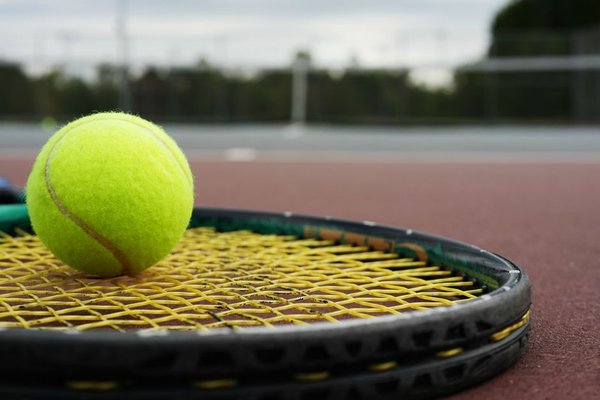
Choosing between polyester and multifilament tennis strings is less about finding a universally “better” material and more about matching the string bed to the way you hit the ball. Polyester rewards fast swings with control, spin potential, and resistance to breakage. Multifilament gives you easier depth, a softer response, and more comfort when you do not want to work as hard for pace.
Ask what problem you are trying to solve. If balls fly long when you swing aggressively, poly tennis strings may help. If your racquet feels harsh or comfort is a priority, multifilament strings usually make more sense.
Polyester vs Multifilament at a Glance
Polyester is usually a monofilament construction: one solid strand of material. It tends to feel firmer and lower powered, allowing strong players to swing faster while keeping the ball under control. Its relatively low string-to-string friction can also help the mains slide and snap back, one reason polyester is popular with heavy-topspin players.
Multifilament is built from many fine synthetic fibres bundled together, generally producing a livelier, softer response. It can fray and break sooner, particularly for players who hit hard with heavy spin.
Control and Spin: Polyester Favors Fast Swings
For an aggressive baseliner, polyester’s biggest attraction is predictable control. Because the string is comparatively stiff and low powered, a player with a fast, full swing can accelerate through the ball without getting as much trampoline-like launch from the string bed.
Spin is more nuanced than simply choosing a shaped string. Polyester strings often perform well for topspin because they can move across one another and snap back during impact. That mechanism works best when the player already supplies enough racquet-head speed. Polyester does not magically create heavy spin from a slow swing.
Multifilament can still produce plenty of spin, but its softer surface can notch as it wears. If you frequently break softer strings, polyester is usually the more practical choice.
Power and Depth: Multifilament Makes Life Easier
Multifilament generally feels more elastic at impact, helping players achieve depth with a shorter or more moderate swing. It is especially useful for doubles players, developing players, and anyone who values touch and easy pace more than maximum spin control.
The racquet matters too. A control-oriented frame with soft multifilament can feel more forgiving, while a powerful racquet with polyester can feel more restrained. A guide to choosing tennis string tension is useful because material and tension work together to shape launch, comfort, and control.
Comfort: Multifilament Is Usually the Better Starting Point
For players searching for arm friendly tennis strings, multifilament is usually the stronger starting option. Its greater elasticity and softer feel can reduce the harsh sensation some players experience with a full bed of polyester. Polyester is not automatically harmful, but it is generally stiffer and can feel particularly unpleasant after it has lost resilience.
If you have recurring elbow or shoulder discomfort, consider the entire setup. String type, tension, racquet characteristics, workload, and technique can all influence how your arm feels. Persistent pain deserves appropriate professional assessment rather than being treated as a string-selection problem alone.
Durability Is Not the Same as Playability Lifespan
This distinction is easy to miss in a tennis string comparison. Polyester is highly resistant to snapping, so a heavy hitter may keep it intact far longer than multifilament. Yet polyester can lose tension and elasticity before it physically breaks. A string bed may still look fine while feeling dull, unpredictable, or unusually firm.
Multifilament usually gives clearer visual warning because its outer fibres begin to fray. It may break sooner under heavy spin, but that does not make polyester automatically better value. A string that remains unbroken for months but no longer performs consistently may already be overdue for replacement. A guide to how often to restring a tennis racquet can help you judge replacement timing by play rather than appearance alone.
Which Type Suits Your Playing Style?
Choose Polyester If You Swing Fast and Need Control
Polyester makes the most sense for advanced or strong intermediate players who generate their own pace, hit substantial topspin, and regularly stress or break softer strings. It also suits players who dislike an overly lively response.
Choose Multifilament If Comfort and Easy Power Matter More
Multifilament is a strong choice for beginners, improving intermediates, doubles players, older players, and anyone who prefers a softer, more responsive feel. It can also pair well with a low-powered racquet.
Consider a Hybrid If You Want Some of Both
A hybrid combines two string types in the same racquet. Polyester mains with multifilament crosses usually preserve more of the poly-style control and durability while softening the overall response. Putting multifilament in the mains shifts the emphasis toward comfort and feel. A guide to hybrid tennis string setups is a useful next step if neither full bed feels quite right.
A Practical Example: The Weekend Baseline Player
Imagine a club player who competes twice a week, hits a modern forehand with decent topspin, and currently uses multifilament. The string feels comfortable but frays badly and breaks every few weeks. Moving straight to a very firm full-poly setup may solve the breakage problem but create a harsher feel than expected.
A better experiment could be a softer polyester or a poly/multifilament hybrid, strung conservatively rather than excessively tight. Over several sessions, judge three things: whether you can still reach comfortable depth, whether your arm feels normal after play, and whether the added control actually lets you swing more freely. That feedback matters more than the label on the packet.
FAQ
Is polyester better than multifilament for spin?
For players with fast swings, polyester often has the edge because string movement and snapback can support heavy topspin. Players with slower swings may gain more practical benefit from the easier depth of multifilament.
Which string is better for tennis elbow?
Multifilament is generally the more comfortable choice and is commonly preferred by players trying to reduce string-bed stiffness. If elbow pain persists, consider your whole setup and seek appropriate professional advice rather than relying on a string change alone.
Does polyester last longer than multifilament?
Polyester usually resists breaking for longer, especially for heavy hitters. However, it can lose tension and playability before it breaks. Multifilament may fray and snap sooner but often retains a softer feel through its usable life.
Can beginners use polyester strings?
They can, but many beginners do not swing fast enough to benefit from polyester’s main strengths and may find it unnecessarily firm. Multifilament or another softer nylon string is often easier to play with while technique and racquet-head speed develop.
Which Should You Use?
Choose polyester when your game creates the need for it: fast swings, heavy spin, frequent string breakage, and a desire for lower-powered control. Choose multifilament when comfort, easy depth, touch, and a more forgiving response matter more.
If you sit between those profiles, a hybrid is often the most useful experiment. Start with the problem you notice on court, change one variable at a time, and judge the result over several sessions. The right string is the one that supports your swing and keeps the racquet feeling predictable.